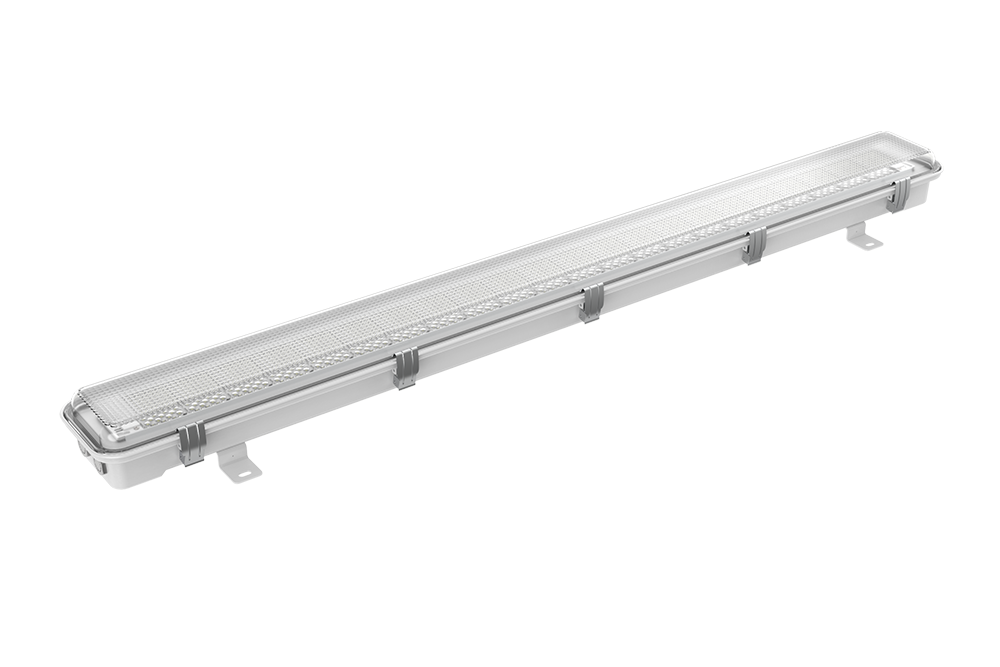
Starting such piece explores several devices concerning blast-proof lighting amid production environments.
Executing reliably amid unsafe places particularly refinery plants obliges specialized systems with the goal to thwart likely occurrences. Detonation-proof lights are essential elements in comparable settings, constructed to endure flashes, reactive fumes, and highly reactive airspaces. Various units are not basically safe; alternatively they are developed to trap any inward arc or emission and halt it from triggering a amplified ignition in the nearby setting. This exposition presents essential instruction about explosion-proof illumination, their employments, and precaution considerations for setting up them accurately.
Interpreting Explosion Proof Lighting Standards
Managing specific detonative lighting guidelines can be challenging, especially among markets facing hazardous environments. These guidelines – often derived from worldwide bodies particularly the National Electrical Regulation (NEC), ATEX (Europe), and IEC – dictate stringent design and deployment steps to limit the likelihood of fire outbreaks from current-driven equipment. Understanding the standards is vital for ensuring staff safety and abidance with mandatory responsibilities.
Photon Emitting Fire Safe Lighting Devices: Quality & Safety
LED explosion proof fixtures offer a significant improvement over traditional incandescent equipment in territories where reactive chemicals are exposed. These strong instruments both offer outstanding reduced energy consumption, meaning reduced operating costs, but fundamentally facilitate a augmented tier of protection by eliminating the hazard of burning because of fault discharge}.
Explosion Proofed Risky Location Treacherous Proof Fire Heat Spark Resistant} Units : A Extensive Examination
Ex Unsafe Zone Perilous Proof} Systems are exclusively constructed lighting solutions built to run safely within capably reactive locations. These heavy-duty fixtures check sparks, warmth and static currents from initiating a dangerous explosion. They regularly incorporate innovative designs, encompassing namely sealed housings and by nature safe power assemblies to provide safety codes in markets like natural resource & combustible gas processing, chemical plants, digging operations, and pharmaceutical production.
Determining the Correct Ignition-Resistant Lighting for Unstable Locations
Choosing the correct hazard-resistant systems for a particular exclusion zone necessitates precise consideration. Components such as the label (e.g., Category I, II, or III and partitions 0) need to be rigorously verified to confirm agreement with relevant protection directives. Beyond the region's basic liabilities, assess external features, including climate and water content, to pick a durable and protected fix. Systematically consult a certified consultant to advise your conclusion.
Regions Where Exist Explosion Proof Lights?
Explosion-proof also known as intrinsically safe|hazardous location|Class-rated} lighting fixtures are undeniably needed in particular areas where dangerous gases or particulate matter could conceivably create a explosive atmosphere. This commonly includes refinery treatment plants, lacquer application areas, cereal handling facilities, and water treatment treatment sections. Regulations, such as those from UL and IEC, direct their fitting in these sectors to prevent the risk of ignition and ensure operational dependability.
Positives of Semiconductor in Hazloc Units
Utilizing Semiconductor technology for detonation-safe systems offers a important variety of pros. First, luminescent sources boast a noticeably longer use span compared to traditional gas-discharge sources, reducing servicing expenses and downtime. They are also originally safer, producing attenuated caloric output which lowers the chance of ignition in flammable atmospheres. Also, luminescent sources are considerably energy efficient, leading to diminished voltage use charges and a reduced sustainable environmental cost. Finally, the resilient design of Crystal-Based assemblies resists the stringent situations typical of hazardous location areas.
- Amplified Functional Period
- Decreased Handling Outlays
- Enhanced Precaution
- Minimized Energy Draw
- Increased Stability
Sustaining and Monitoring Explosion Proof Lighting Systems
Frequent upkeep and full examination of detonation-proof lighting installations are importantly explosion proof lights vital for preserving risk prevention and counteracting potential threats. This encompasses a routine review of all segments, such as lighting devices, lines, conductors, and attached connection boxes. Particularly, check for deterioration, body damage, and sufficient ground connection. Moreover, verify that complete markings are decipherable and that the illumination devices complies with prescribed norms.
- Conduct observable reviews.
- Assess circuit integrity.
- Substantiate explosion protection.
Upcoming Trends of Explosion Proof Lighting Technology
Progressing landscape of explosion-proof sources technology guarantees a meaningful shift from traditional designs. Future solutions will heavily incorporate integrated capabilities, enabling external monitoring, diagnostics, and customizable control. We look forward to a growing adoption of light-emitting diode technology, not only for its natural energy efficiency, but also its capability to facilitate included sensors for observing toxic conditions. What is more, materials inspection is encouraging innovations in long-lasting housing materials, allowing for lighter and more efficient designs, while maintaining the necessary levels of protection.
- Enhanced battery life for mobile applications.
- Combination with proactive maintenance systems.
- Creation of automated lens technology.