Hype Is Easy, Margin Is Hard: How Streetwear Brands Beat MOQ Pressure with Smarter Style Consolidation
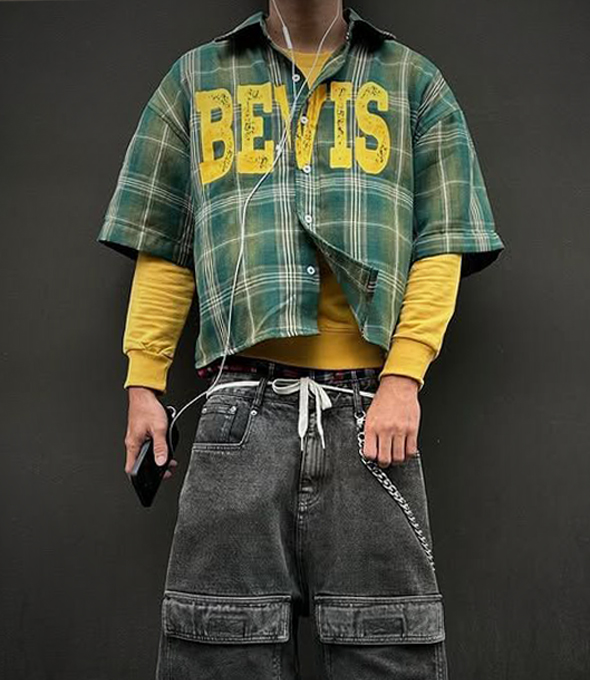
Streetwear lives on variety. One season you want the washed boxy hoodie, the distress-heavy zip hoodie, the cropped football-inspired jersey, the appliqué varsity jacket, and the flare denim with exaggerated stacking all sitting in the same line because, creatively, that mix hits. On the rack, it feels sharp. On the costing sheet, though, that same energy can turn messy fast. The problem usually is not that the factory “suddenly got expensive.” The problem is that too much of the order volume got sliced into isolated style stories that each need their own setup, sourcing logic, testing path, and production handling.
A lot of established streetwear brands and independent brands with real traction run into this when the collection starts getting stronger visually. The product direction improves, but the unit economics start fighting back. That is where MOQ strategy stops being a back-office sourcing issue and becomes a creative-commercial decision. The brands that handle this well usually do not flatten the collection. They build smarter style families, protect the strongest visual codes, and push more units through shared development lanes instead of scattering them across too many technical one-offs.
Why do unit costs jump when a streetwear line gets spread across too many isolated styles?
When a collection is broken into too many thin volume pockets, the brand is not just paying for more garments. It is paying for more setups, more material fragmentation, more approvals, and more production stops. That is why unit cost climbs faster than most teams expect once style count outruns order depth.
On paper, three hundred units of one heavyweight tee program and three hundred units spread across three slightly different tee programs can look close. In production, they are not close at all. The moment those programs split into different neck ribs, separate print placements, different wash recipes, or different body measurements, the factory is no longer running one clean lane. It is managing three smaller lanes, each with its own prep work, technical review, sourcing communication, and quality checks.
That prep work is where the money starts stacking up. Pattern review, marker planning, trim matching, print screens, wash tests, cutting allocation, sewing line balancing, inspection criteria, and packing breakdowns all cost time even before the bulk volume really starts moving. Industry guidance on apparel MOQ explains that manufacturers set thresholds partly because setup labor, machine preparation, and material purchasing do not shrink in proportion to smaller runs. Fabric buying adds another layer, since mills often sell by roll or by minimum fabric quantity rather than by the exact number of finished garments a brand wishes it could buy .
Streetwear makes this even more visible because the category leans so hard on tactile and visual finish. A plain jersey tee is one thing. A pigment-dyed tee with a cracked chest print, off-shoulder drop, and exaggerated neck rib is another. The more your product identity depends on handfeel, fade, silhouette, trim choice, or graphic placement, the less forgiving fragmented production becomes. That is not a reason to play safe. It is a reason to understand that product depth matters just as much as product direction.
What actually gets cheaper when brands consolidate styles instead of scattering units?
Style consolidation cuts cost because it lets brands push more volume through shared fabric, trim, and construction lanes without giving up the visual edge of the collection. The biggest savings usually show up in material buying, factory changeover time, and smoother batch planning across cutting, sewing, finishing, and inspection.
The cleanest way to think about consolidation is not “make fewer ideas.” It is “build more of the line from shared foundations.” That can mean one fleece family feeding both a washed pullover hoodie and a distress-heavy zip hoodie. It can mean one mesh base feeding both a cropped football jersey and a matching short. It can mean a common denim block carrying different wash stories, hem treatments, or hardware accents instead of forcing every pant into a completely separate development path.
When brands do that well, several quiet gains start appearing at once, and that is often how a line moves into a better factory price band without flattening its point of view. Fabric purchasing improves because more yardage moves through the same program. Trim buying improves because rib, zipper, drawcord, patch base, label package, or hardware spec can be carried across a wider portion of the line. Production becomes easier to schedule because the factory is not constantly resetting from one narrow program to another. Even wash houses and print teams work more efficiently when they can batch related items instead of treating every style like a standalone event .
This is also where factory selection matters more than many teams admit. A general apparel factory may tell you it can handle the order, but a specialized usually reads the line differently. It can see where a shared base block can keep the line visually alive while cleaning up the production logic underneath it. For teams benchmarking that kind of capability, a curated look at in China can be a useful reference point, especially when heavyweight fabrics, wash-driven product stories, and trim-heavy builds are all part of the brief.
How can creative teams keep the line feeling fresh without blowing up factory pricing tiers?
The strongest collections usually stay fresh by separating visual identity from technical chaos and by treating factory pricing tiers as something the line can design around, not just react to after quotes come back. Brands do not need every style to be built from scratch. They need a few strong body blocks, a clear material story, and enough finishing variation to create energy without forcing the factory into constant reset mode.
This is where a lot of smart streetwear product teams make the line feel bigger than it really is. Instead of treating every SKU like a new universe, they build clusters. One cluster might revolve around 420gsm brushed fleece, washed into two finish directions and cut into two silhouettes. Another might revolve around poly-mesh and tackle-twill details across jersey and short programs. Another might revolve around one denim base with different leg openings, stacking behavior, or abrasion treatment.
What keeps the collection from feeling repetitive is where the creativity gets placed. Graphics, placement, distress maps, patch language, embroidery density, hem behavior, and color tone can all create separation without requiring a full restart in sourcing and construction. That is the difference between a line that looks edited and a line that looks expensive for the wrong reasons.
The point is not to strip personality out of the product. It is to move personality into the areas that create brand heat without creating unnecessary production drag. A washed boxy hoodie and a zip hoodie can still feel like two different statements if the art direction is strong. They do not need to behave like two unrelated programs in order to look alive.
Where do brands lose margin when they compare only the factory quote?
The factory quote is only one layer of the economics. Real margin pressure shows up when thin order depth creates extra landed cost, leftover materials, uneven inventory exposure, delayed approvals, and more downstream friction. A quote that looks cheaper upfront can still produce a weaker margin picture after launch.
This is where apparel teams often get fooled by surface math. If one manufacturer quotes a lower ex-factory price on a shallow order, it can look like the problem is solved. But the quote does not always show what the brand is carrying outside the four corners of that spreadsheet. Fabrikn’s unit-economics breakdown is useful here because it reminds teams that landed cost is shaped by more than fabric and sewing. Packaging, freight, duties, fulfillment, development allocation, payment fees, returns, and customer-acquisition pressure all sit downstream from the production decision .
Now layer fragmented MOQ economics on top of that. A line with too many shallow styles can leave the brand with odd leftover trims, broken size curves, or a category mix that looks exciting in campaign images but moves unevenly in real selling. It can also create calendar stress when approvals drag because every style is asking for its own round of answers. In streetwear, where launches are tied closely to content, talent, and timing, that friction can cost more than the difference between two factory quotes.
A better question is not “Which quote is lowest?” It is “Which production structure protects the product story while keeping landed cost, stock exposure, and calendar risk inside a range the brand can actually manage?” That is a much sharper sourcing question, and it usually leads to better decisions.
Which numbers should product and sourcing teams model before they lock the line?
Before the line is locked, teams should model style-family volume, fabric minimum exposure, trim commonality, landed cost by scenario, and expected sell-through by category. Those five checks usually reveal whether the collection is structurally ready for bulk or whether it still looks better on a moodboard than in a margin model.
The best product meetings usually have two voices in the room at the same time: the person protecting the line’s point of view, and the person reading where the cost structure starts drifting. When those two conversations happen early, the collection gets tighter without getting flatter.
A practical way to do this is to review the line by family instead of by isolated SKU. That means asking whether the fleece program, the jersey program, the outerwear program, and the denim program each carry enough depth to justify their own material and development lane. It also means testing landed-cost scenarios before the buy is finalized, not after sampling is already done and everyone is emotionally attached to every style.
That last question matters more than most teams want to admit. Every collection has hero styles, and every collection has styles that are better as signal than as volume. Smart MOQ strategy does not ask those two groups to carry the same production weight.
What does a smarter MOQ strategy look like when a streetwear brand is ready to scale?
A smarter MOQ strategy usually looks like tighter style families, earlier quantity planning, clearer factory conversations, and staged volume decisions built around validated product direction. The goal is not maximum volume on every style. The goal is putting real depth behind the right styles so the line earns better economics without losing its edge.
In practice, that means editing with intention. It means deciding which silhouettes are carrying the season, which fabrics deserve deeper commitment, and which details can be shared across the capsule without watering down the line. It means discussing fabric rolls, wash capacity, print sequencing, and trim lead times before bulk booking starts. It means using sampling to read risk, not just to approve visuals. And it means aligning launches so related styles move through the system together instead of entering the factory as disconnected requests.
The brands that usually handle this well treat MOQ as a design-adjacent decision, not a sourcing afterthought. Their creative teams understand that some of the strongest product stories come from depth, not sprawl. Their sourcing teams understand that a factory threshold is not just a number on a sheet; it is often a clue about how materials, labor, and scheduling actually behave in the real world. When those two views line up, unit cost starts working with the brand instead of against it.
That is also why the next phase of strong streetwear collections may feel tighter, not smaller. The line feels sharper because more pieces belong to the same product universe. The fabric story feels more intentional. The silhouettes talk to each other. The factory can move with fewer resets. And the brand keeps more room in the margin to spend where customers actually feel it: better fabric weight, stronger finishing, more convincing shape, and a product that lands with real presence instead of looking overbuilt on paper and underpowered in hand.
The Sample Looked Right. The Bulk Run Didn’t. Why Streetwear Production Breaks Down
A lot of streetwear products do not lose steam because the idea was weak. They lose it because the product changed somewhere between the sample table and the factory floor. A boxy hoodie can look sharp in development, then show up in bulk with a flatter handfeel, a softer shoulder drop, and a print that sits too high.
On paper, a factory may still look fully capable. The deck says heavyweight cotton, custom trim, screen print, enzyme wash, maybe even fast lead times. But established streetwear brands, design teams, and procurement teams usually learn that streetwear production is not just about making a garment. It is about protecting silhouette, surface, weight, and graphic attitude through tech pack review, pattern work, fabric booking, sampling, wash trials, cutting, sewing, finishing, inspection, and shipment. That is where the split shows up between a general apparel supplier and a streetwear manufacturer that actually understands how the product should feel in bulk.
Why do so many streetwear products drift after the sample stage?
Streetwear products usually drift after sampling because bulk production introduces pressure points that the sample room can hide: fabric lot changes, wash behavior, print placement shifts, trim substitutions, line-by-line sewing differences, and weak pre-production control. The sample may prove the idea works, but bulk proves whether the factory can hold onto the product intent at scale.
The sample stage is controlled. Fewer people touch the garment, more time goes into each unit, and small fixes can happen quietly without breaking a launch plan. Bulk production is different. Once fabric is booked, trims are confirmed, wash recipes are repeated across volume, and cutting starts across size sets, every weak decision gets louder. Streetwear is especially exposed here because the category depends so heavily on feel, proportion, and surface treatment. When the body is meant to be boxy rather than simply wide, when the wash needs depth rather than random fade, or when a print is supposed to hit with impact rather than just exist, small execution errors stop looking small.
One common problem starts with fabric. A sample may use development yardage that behaves one way in wash testing, but the booked fabric for production may react differently in shrinkage, recovery, or handfeel. That is enough to change how a cropped tee sits or how a heavyweight hoodie collapses at the hem. Another issue shows up in pattern handling. Some factories can copy measurements from a tech pack, but that does not mean they understand how to preserve shoulder shape, sleeve volume, body drop, or stacked leg movement once the garment moves into grading and bulk cutting.
The same thing happens with surface work. A cracked print may look right on one approved sample, but bulk pressure can expose weak registration, softer ink deposit, or graphic movement after wash. Distressing can shift fast too. What looked controlled on a sample may turn random once too many hands, machines, or timing changes enter the process. The issue is not basic sewing ability. It is lack of development discipline.
That is why strong product teams do not treat sample approval as the finish line. They treat it as proof that the design direction is possible. The harder question comes next: what checkpoints exist between that approved sample and the first packed carton? If the answer is vague, the risk is already on the table.
What should procurement teams ask before they trust a streetwear manufacturer with bulk?
Procurement teams should ask how the factory reviews fit intent, fabric behavior, wash shrinkage, graphic placement, trim risk, and pre-production checkpoints before bulk starts. The right factory does not just say yes to the tech pack. It explains what could move, what needs testing, and where product intent could get lost if no one catches the issue early.
A factory that works well with established streetwear brands usually sounds different from the beginning. Instead of rushing to quote and move on, it asks how the garment is supposed to sit on body, what the wash is meant to do visually, whether the print should feel dense or worn-in, and which trims are non-negotiable. That shows whether the team is reading the product as a finished statement instead of a sewing task.
The clearest conversations usually happen before bulk fabric is locked. If the garment depends on a dry heavyweight handfeel, the team should ask about fabric weight tolerance after finishing, shrinkage after wash, and whether the rib, zipper, drawcord, patch, or neck shape will still read right once the garment is fully processed. If the product depends on a specific graphic hit, the factory should want placement testing on actual garment sizes, not only on a flat mockup. If the garment uses wash plus embroidery, wash plus print, or multi-panel construction, the sequence of operations should be explained early because the order changes the result.
The wrong question is “Can you do this?” Most factories will say yes. Better questions sound more like this: “Where would this hoodie lose shape?” “What could shift after wash?” “What needs a wear test before we lock the PO?” “If the body is supposed to feel cropped and heavy, what would you adjust before bulk?” Those questions move the conversation out of sales language and into manufacturing reality.
A capable streetwear manufacturer should also be able to tell you what not to do. If the graphic is too close to a seam, if the wash will dull the contrast too much, if the fleece weight will fight the intended drape, or if the trim lead time threatens the calendar, the team should say it early. Silence at that stage is rarely a good sign.
Which product details usually expose a factory that only looks capable?
The fastest tell is not whether a factory can make a hoodie or tee at all. It is whether the team can protect the details that actually make the product feel like streetwear: silhouette balance, heavyweight handfeel, graphic position, wash depth, trim choice, and technique order. That is where generic apparel ability usually starts to show its limits.
A lot of factories can make something that resembles a streetwear product. Far fewer can make one that still feels right under real production pressure. The difference usually shows up in details buyers may not explain with technical language but notice instantly when the garment lands in hand.
Why does an oversized silhouette still go wrong even when the measurements look close?
Because oversized streetwear is rarely just “bigger.” A true oversized or boxy silhouette depends on proportion. Shoulder pitch, armhole depth, sleeve stack, body length, hem behavior, and rib tension all work together. When a factory treats the spec as a simple size increase, the body can turn wide without turning intentional. That is how a piece ends up looking blown up instead of designed.
This problem is especially common in heavyweight fleece, washed tees, and stacked bottoms. Those products need pattern development that accounts for fabric behavior after finishing. If the team does not build the shape with the wash in mind, the garment may come back shorter, stiffer, or flatter than intended. The measurements can still look “close,” but the product no longer carries the same attitude.
Why do wash and graphic combinations expose weak development so fast?
Because technique order matters. A strong visual on a washed garment depends on how the print, dye, abrasion, and finishing steps interact. A screen print meant to sit bold on a vintage-washed tee needs different planning than a soft, worn-in graphic on fleece. If the ink sits too heavily, the garment can feel stiff. If the wash hits too hard, the graphic can lose contrast or crack the wrong way. If distressing is added without control, the result reads random instead of deliberate.
The same logic applies to embroidery, appliqué, rhinestones, or patchwork. Each one changes how the garment handles tension, weight, and finishing. Once multiple techniques sit on one body, the factory has to know what happens first, what happens last, and which surface treatments might damage the earlier work. This is where general factories often get exposed. They may know each individual technique, but not how those techniques behave together inside a streetwear product story.
When product teams review a factory, these are the categories worth watching first: heavyweight hoodies, washed tees, graphic fleece, flare or stacked bottoms, distressed zip hoodies, varsity jackets with mixed decoration, and denim with strong wash identity. These are not impossible products. They just punish shallow development very quickly.
Why does China-based streetwear production still matter for US, UK, and EU brands?
China-based streetwear production still matters because the strongest regions combine fabric access, trim depth, wash capability, graphic execution, and faster problem-solving inside one connected manufacturing network. For US, UK, and EU streetwear brands developing technique-heavy collections, that supply chain density can make the difference between a product that merely gets made and one that actually lands right.
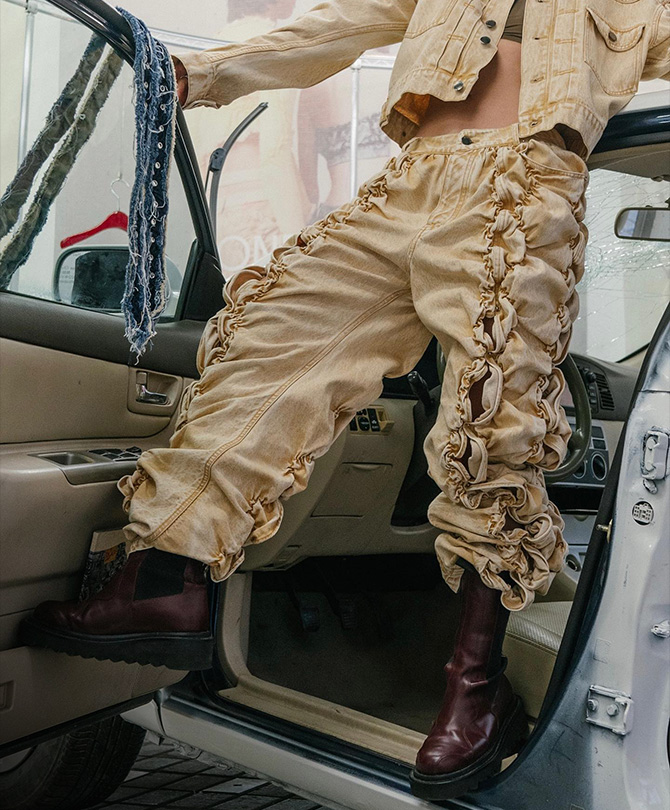
The reason is ecosystem depth. In the right China-based clusters, product teams can move from fabric sourcing to embroidery sampling, from print testing to wash development, and from zipper decisions to packing adjustments without losing too much time between disconnected suppliers. A washed boxy hoodie, a pigment-dyed tee with crack print, or a varsity jacket with mixed trims does not succeed through sewing alone. It succeeds when material, decoration, and finishing decisions stay aligned through the whole process.
That does not mean every China-based factory is the right fit, or that overseas production solves every sourcing problem. For brands in the US, UK, and EU building premium streetwear collections with heavyweight cotton, custom trims, graphic-heavy programs, or wash-led product stories, China still offers a level of supply chain density that many regions cannot match. That is also why sourcing teams often use resources like a recent roundup of when they want a faster read on who actually works in this lane.
In the more specialized segment, companies like tend to enter the conversation when brands compare China-based teams that work beyond basic fleece programs and into heavier fabrics, wash-intensive development, and custom graphic execution. That works more as a sourcing signal: specialist factories are usually easier to spot when their category focus is narrow.
For modern streetwear, the real advantage is not only price or capacity. It is concentration of capability. When product complexity rises, proximity between mills, trims, printers, wash houses, and garment factories becomes a strategic advantage, not just a sourcing detail.
What separates a real streetwear production partner from a factory that can only copy the tech pack?
A real streetwear production partner reads the tech pack as the start of a conversation, not the end of one. It asks sharper questions, flags weak points before they become expensive, understands how cultural product cues translate into technical choices, and can explain how fabric, fit, trim, print, and wash decisions affect the garment once it reaches bulk.
Streetwear products carry more visual and cultural pressure than many standard apparel categories. The factory does not need to perform as a brand strategist, but it does need to understand what kind of product language the garment is aiming for. If the body is supposed to feel skate-driven, vintage, collegiate, workwear-influenced, or Y2K-leaning, the technical decisions behind that look cannot be random. Shoulder line, wash density, trim brightness, print finish, and distress control can push the product in the right or wrong direction.
A factory that only copies the tech pack usually works in a very literal way. It follows the measurements, places the graphic where the file says, and produces something close enough to the written instructions. But streetwear often lives in the gap between the written instruction and the physical read of the garment. That is why the stronger partner is often the one that says, “This hem will kick out after wash,” “This embroidery density may fight the fleece weight,” or “This graphic wants a wear test before approval.” Those comments save product intent.
What does a strong tech pack review sound like?
It sounds specific. The team asks about intended drape, whether the neckline should hold firm or relax after wash, what level of fade feels right, and which trim cannot move. Those questions show that the factory is connecting design direction to manufacturing choices.
What should the factory flag before the PO is locked?
It should flag fabric behavior, trim lead risk, wash shrinkage, print placement sensitivity, embroidery pull risk, seam stress around panels, and any sequence issue between decoration and finishing. A factory that only says “no problem” before bulk may just be telling you it has not looked hard enough yet.
The modern sourcing decision is less about who can say yes the fastest and more about who can protect the product best once the work gets real. In streetwear, that difference shows up fast.
How should established brands turn all of this into a smarter sourcing decision?
Established brands should build sourcing decisions around product difficulty, factory specialization, pre-production discipline, and communication quality rather than broad capability claims. The smartest teams compare who asks better questions, who explains risk earlier, and who shows stronger control over fit, wash, graphics, and trim-heavy development before the order is locked.
That shift matters because the next phase of streetwear production is not about finding any factory that can follow instructions. It is about finding the right one for the exact kind of product being built. A heavyweight fleece program with wash and graphic layering needs one kind of manufacturing logic. A jersey-led capsule needs another. Denim with strong abrasion and hardware identity needs another again. The more a brand sharpens its product world, the less useful generic sourcing language becomes.
The strongest brand-side teams usually make decisions in a simple order. First, they define what absolutely cannot move: fit attitude, fabric feel, graphic impact, trim character, or wash depth. Second, they ask whether the factory has made garments where those priorities actually matter. Third, they pressure-test the process between sample approval and bulk launch. Fourth, they look at communication quality, because weak communication is often the first sign that late-stage problems will arrive with less warning than they should.
For the external market, this also means the strongest will likely be the ones that feel easier to verify. Their product categories are clearer. Their specialization is easier to read. Their examples look closer to real streetwear work rather than generic apparel output. That is the direction both search behavior and sourcing behavior are moving toward: less interest in broad claims, more interest in proof, fit, finish, and product-level judgment.
Streetwear is getting harder to fake. Consumers may not use factory language, but they still feel when a tee hangs wrong, when a hoodie loses body after finishing, or when a washed graphic looks accidental instead of deliberate. That is why the next few years in streetwear manufacturing will likely reward factories that can hold product intent through bulk-ready execution, not just produce a decent sample.
 streetwear manufacturer streetwear apparel factories premium streetwear production partners Groovecolor streetwear manufacturers